Everyone has heard of dog training. Dog psychology is far less familiar. Somewhere in our history, the idea of a well behaved dog became a matter of obedience: sit, stay, down, come, heel. The commands became the whole curriculum. Dog psychology, the study of how a dog actually thinks, remains something most people, including many professionals, were never taught. In my opinion, that is why so many devoted owners never quite arrive at the balanced, well behaved dog they are working so hard for.
Dog training, as it is commonly practiced, is built around the human's needs more than the dog's. It teaches a dog to answer commands that suit our lives, without asking what the dog themselves requires. Let me be clear: obedience is a fine thing, and I teach it every day. But taught on its own, it leaves the most important questions unanswered. What good is a dog who sits beautifully on command yet lunges at other dogs on the street? What comfort is a reliable down if the same dog tries to bite a guest at the door?
A curriculum written by nature
So what is dog psychology? I believe it is something created by nature, and our work is simply to read it. It means learning the instincts of a dog and working with them, not against them. It means learning about energy, and becoming able to assess it honestly in the dog and in yourself. It means fulfilling a dog mentally and physically through structured exercise. It means providing discipline through rules, boundaries and limitations, so that a dog holds a crystal clear understanding of what is expected of them. It means accepting that a dog needs a family to belong to and a calm, confident leader to follow, and that leadership is carried through energy, not force. That is the ground floor. Everything else is built upon it.
The dog everyone called aggressive
Not long ago I gave a private session in the home of a dog who had been labeled aggressive. Their owners had worked with numerous trainers, most recently one who had visited for more than six months. Those months were filled with obedience, commands and food used as a distraction. The results were small to none, and in all that time the trainer had never once put a hand on the dog. Eventually medication was suggested as a last resort, a recommendation that has become common. This was a dog lunging at dogs and people on the street, and making daily life miserable for owners who loved them. Their effort and commitment were never the problem. The problem was that they had learned everything about dog training and nothing about dog psychology.
Within our first session, that same dog was walking calmly on the leash, passing distractions without reacting, and relaxing in their own home. We ended the afternoon with them sitting beside me on an outdoor staircase, my arm around them, licking my face. How did one session reach what many months of work could not? We began with psychology. The first thing I did when I walked in was assess the dog's energy, to understand what they were going through. Training had labeled them aggressive. Psychology told me they were an insecure, highly excited dog who had stepped into a leadership void in their pack because no one else had filled it. When we took the leadership position back, we lifted an enormous weight from their shoulders. They no longer carried the pressure of a job they never knew how to do, and with that relief their confidence began to grow. We corrected their forward behaviors toward dogs and people, the growling and the lunging, so they learned that attacking is not an option when they feel unsure. And we slowed their mind down, asking them to wait, letting good things arrive only once they were calm. Their owners tell us their progress has been tremendous and life changing. Today they walk happily beside other dogs every day as part of a structured walking pack.
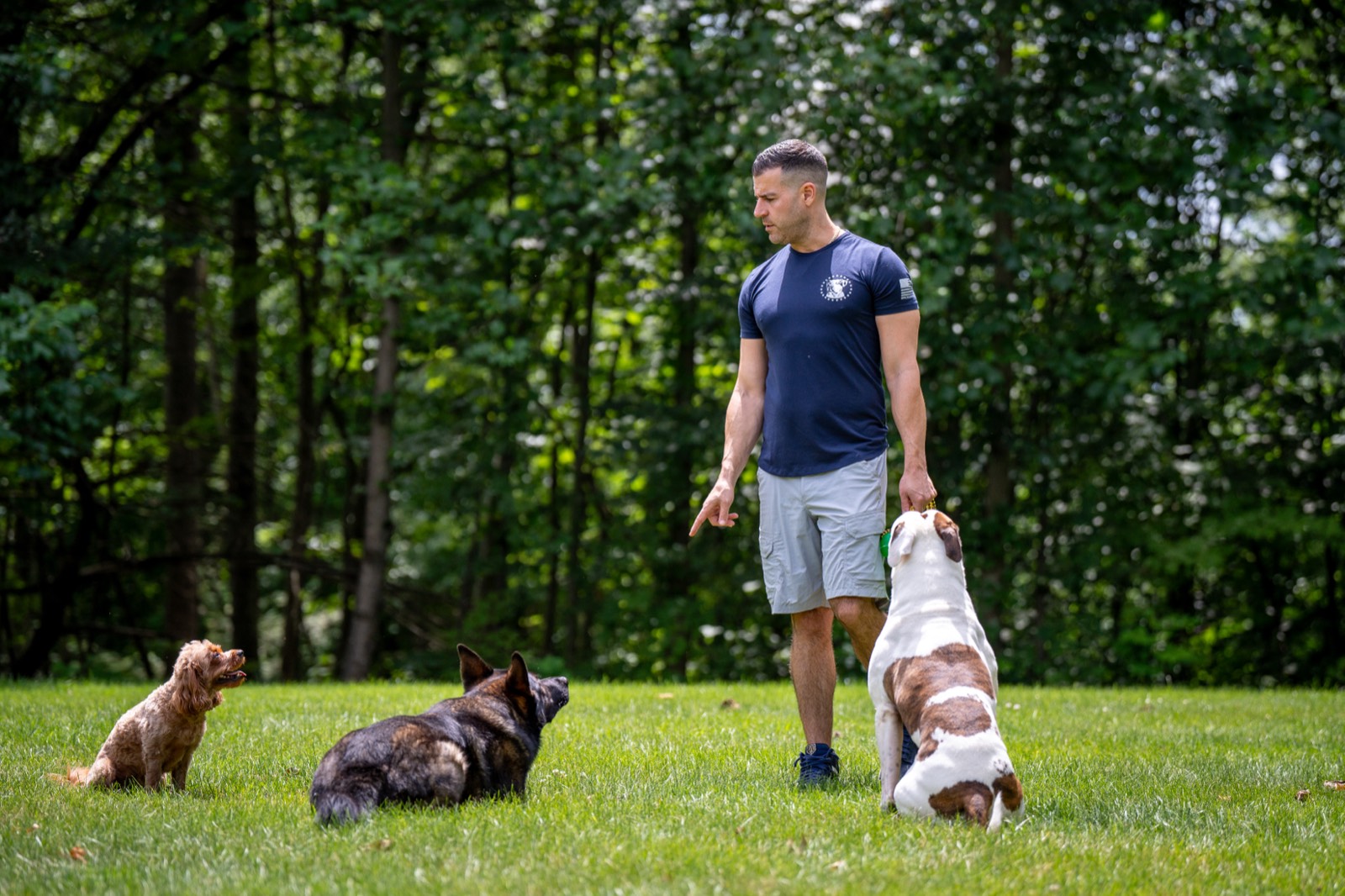
What we owe the dogs
I share that story not to boast, and not to diminish anyone in my profession. Quite the opposite. My hope is to raise awareness within my own field, so that more of us teach the world dog psychology before dog training. The need is real. Every year in the United States, 1.2 million dogs are euthanized, at a cost of more than two billion dollars in taxpayer money. For much of our history we have blamed the dogs, and blamed whole breeds. I believe the responsibility is ours. The dogs are not to blame; we are. And the only way those numbers change is through education.
By understanding dog psychology first, dog training becomes the easy part.
This is the heart of it. Instead of labeling a dog aggressive and drilling them in commands with food rewards and no regard for what they are carrying, we can assess their energy and listen to what they are trying to tell us. When we understand that the aggressive dog is in truth an insecure dog, short on structure, short on exercise, and holding a leadership position they never chose, we finally have a plan: to work together with the dog toward a state of balance. Instead of forcing commands onto them, we can hear the dog who has been asking for help all along, with no one able to listen. A dog in the follower position, receiving sufficient mental and physical exercise, living within clear rules, boundaries and limitations, is the easiest dog to train.
We owe it to the dogs to educate ourselves in dog psychology before we ever attempt dog training.
The thinking in this essay is the foundation of everything practiced at the ranch.
Discover more